Blog
It’s not just the price: the hidden costs of accessing healthy food
What does it really mean for healthy food to be affordable? Campaign intern Nésa Depeza Njie talks to two of the citizens behind We’re Fed Up! to hear about the barriers they face accessing healthy food, and why price is only part of the picture.
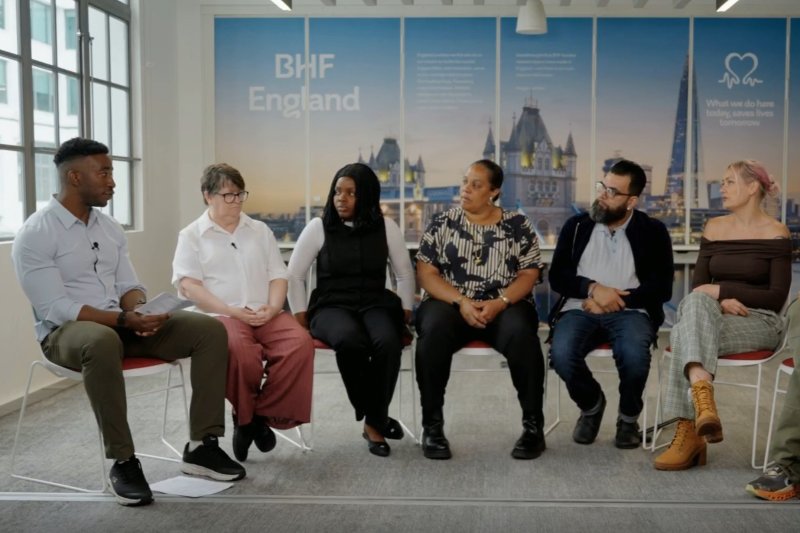
We’re Fed Up! is a citizen-led call for government and the food industry to make our food system healthier and fairer. Co-developed with people from across the country and backed by national YouGov polling, this campaign highlights a diverse range of voices calling for healthier food on our shelves, now.
Working behind the scenes on the campaign has given me a much better understanding of food policy. But talking to citizens involved in the campaign has also made me realise that affordability is about much more than the cost of your food shop.
As we near 10,000 signatures, I spoke to Gemma and Evette, two of the citizens who helped shape the campaign, to understand more about the barriers they face when it comes to accessing healthy, affordable food.
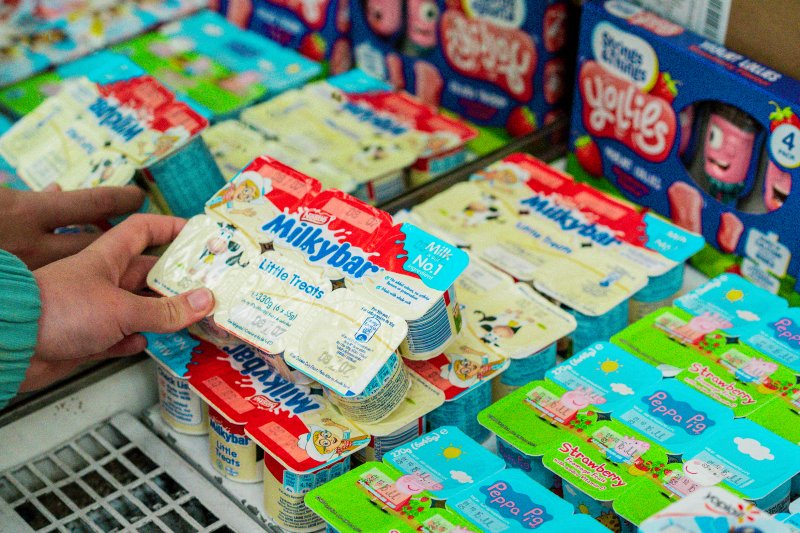
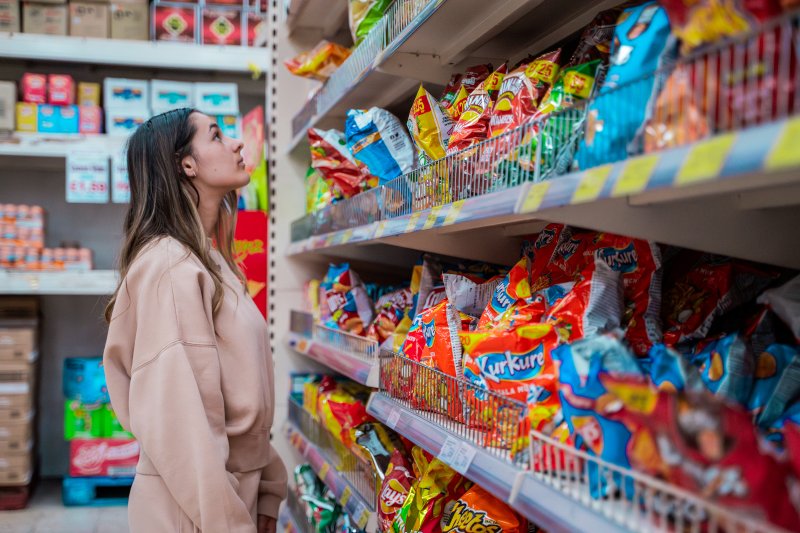
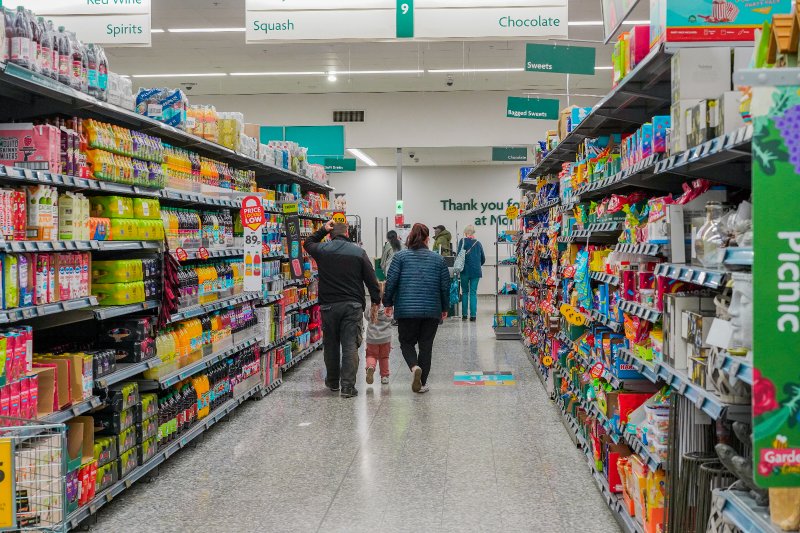
‘How can I eat healthily when none of my local shops within walking distance provide the food that I need in order to eat healthily?’ asks Evette, highlighting that access to healthy food in her area is limited. Her nearest food outlet is Greggs and, whilst she knows it’s not the healthiest option, it is one of her few options available when she needs to feed her family.
Her experience made me think differently about what it takes to afford a healthy diet. The price on the shelf matters, but so does whether you can actually access that food. It can include the bus fare to get to a supermarket, the physical difficulty of making the journey if you have a health condition, or the energy needed to cook and store food once you get home.
Gemma faces a similar problem: ‘There’s a market here and they did have a fruit n’ veg person but they stopped after a while because it just wasn’t that worth their while.’
Their experiences raise a simple question: how are people supposed to eat healthily when there aren’t any healthy food shops nearby?
Getting to the shop is only one part of the problem. What you can buy also depends on what you can store at home.
Not everyone has a fridge or freezer with enough space to store lots of food. Evette told me that she has a small freezer, so she has to ‘focus on [the] essentials.’ Batch cooking often comes up as a solution to eating healthily on a budget, but that assumes you have enough space to store several meals in the first place.
Even schemes such as veg boxes and surplus food bags, designed to improve access to healthy food, don’t necessarily remove these barriers. Evette has to travel long distances using public transport to access the ones she uses, and her small kitchen makes storing extra food difficult. Gemma told me there aren’t equivalent schemes near her, so she has to rely on supermarkets for vegetables.
Gemma and Evette’s experiences show why affordability and access can’t just be measured by the price at the checkout.
Meanwhile, the wider evidence shows just how significant the financial barrier itself can be. The Food Foundation released their latest Broken Plate report in June, with updated statistics on food, affordability, availability, advertisement, health and the environment. One statistic stood out in particular to me:
Families on the lowest incomes would need to spend 85% of their disposable income to have a healthy diet.
That leaves very little left for everything else: things like clothes, house repairs and unexpected costs.
Despite these barriers, healthy eating is still often presented as being simply a matter of individual choice. We saw this in responses to our recent campaign adverts, with lots of comments saying that people should simply take more responsibility for what they eat.
But conversations with Gemma, Evette and the other citizens involved in this campaign show why it's not that simple. Choice depends on what's available near you, whether you can get there, whether you can afford it and what facilities you have to cook and store at home. People can only make healthy choices when the conditions around them make those choices possible.
‘Now is the right time to make a call for these changes before it's too late.’ Evette told me.
Working on We’re Fed Up! has shown me that we need to think more broadly about what it means for food to be genuinely affordable. It’s not just the price on the shelf. It’s whether people can access healthy food, store it at home and cook it without having to sacrifice other essentials.
These problems aren’t individual; we need a food system that makes healthy food accessible for everyone. That’s why We’re Fed Up! is calling on the government and the food industry to create a healthier and fairer food system for all. On 2nd November, citizens will take those calls to Parliament.
Add your name and stand with them in calling for change

Nésa joined Sustain in November 2025 as the Recipe for Change campaigns intern, working on public mobilisation through developing a citizen’s charter for healthy food.
Nésa Depeza Njie
Intern
Recipe for Change
Published 20 Oct 2026